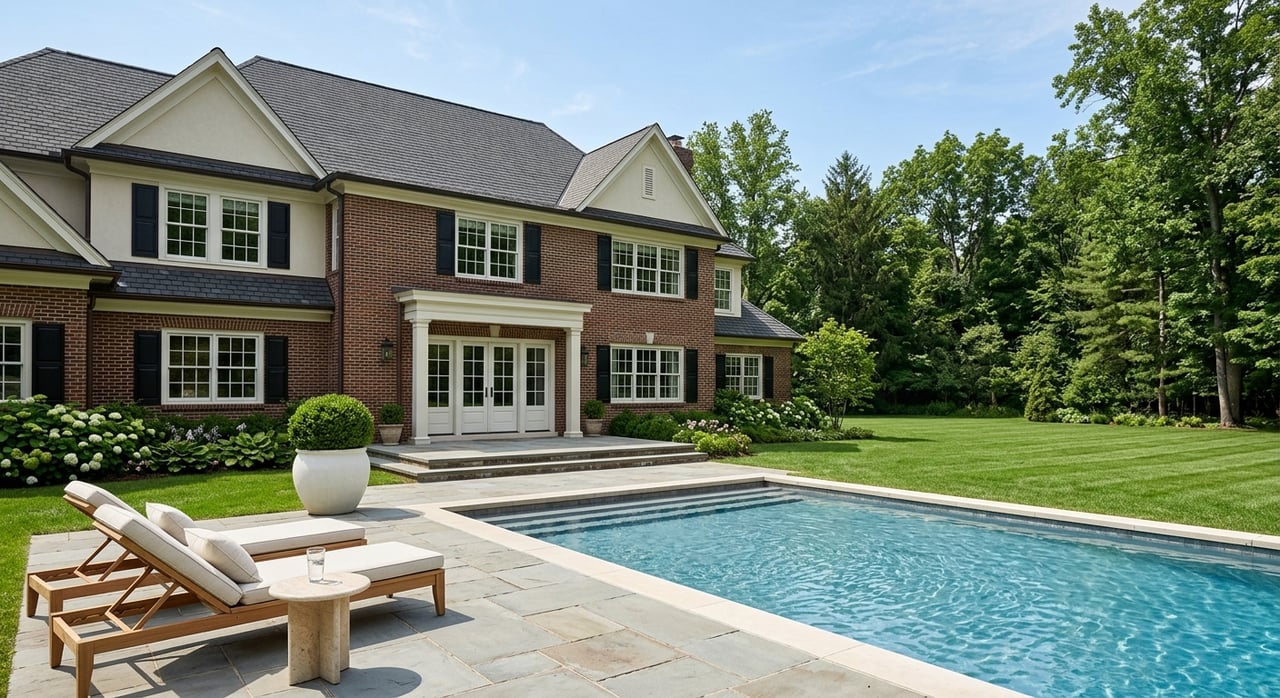
Looking for luxury in Town and Country is a little different from shopping in most St. Louis-area markets. Here, the conversation is not just about square footage or bedroom count. It is often about lot size, privacy, architectural character, and how a home fits the land around it. If you want to understand what kinds of luxury homes and lot types you are most likely to find in Town and Country, this guide will walk you through the styles, site patterns, and price points that shape the market. Let’s dive in.
Why Town and Country Feels Distinct
Town and Country was incorporated in 1950, in part to preserve its rural character while still offering the convenience of city living. The city’s own planning documents describe a long-term focus on protecting community character and guiding future growth through zoning and development standards. You can see that goal reflected in the city’s comprehensive plan.
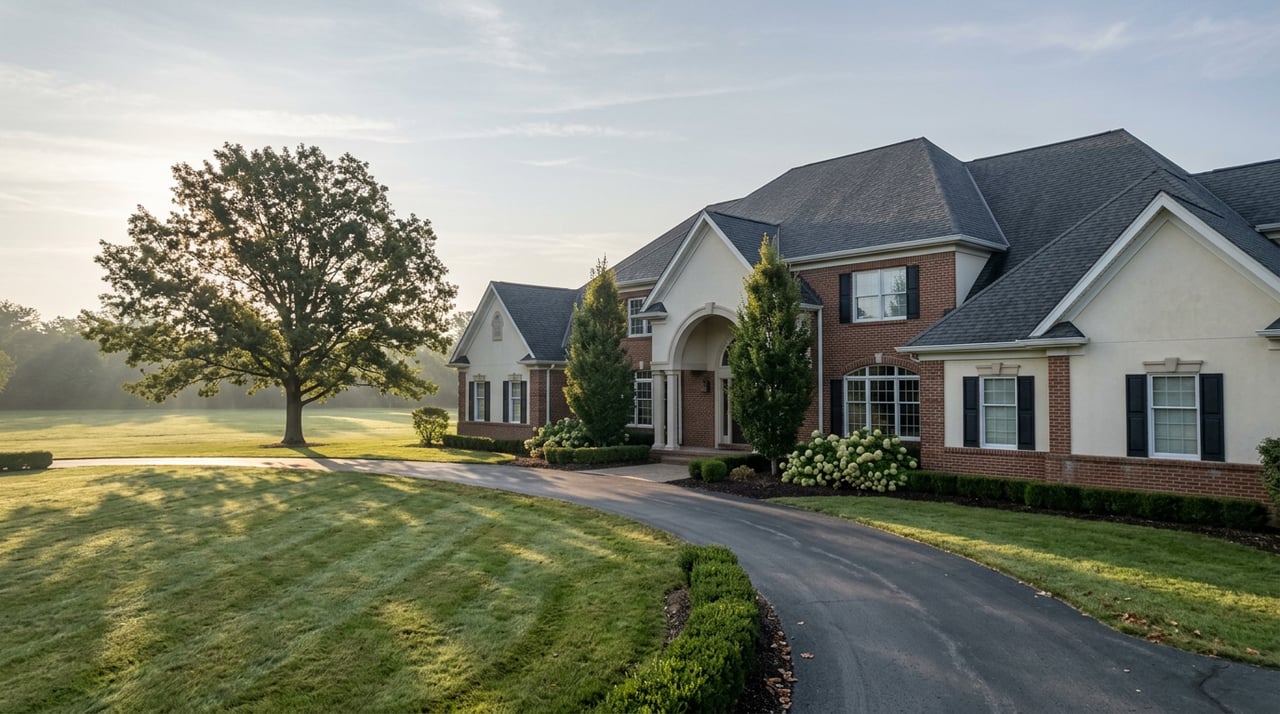
That planning approach matters when you are buying or selling a luxury home. In Town and Country, the setting often feels more estate-oriented than suburban, with a strong preference for single-family homes on large lots. The city also maintains more than 60 acres of parkland, which supports the area’s outdoor, open-space identity.
Common Luxury Home Styles
Town and Country does not have a single look that defines every street. Instead, the market tends to feature custom, high-finish homes with architecture shaped by owner preference, lot size, and design review rather than by tract-home repetition.
Traditional Estate Homes
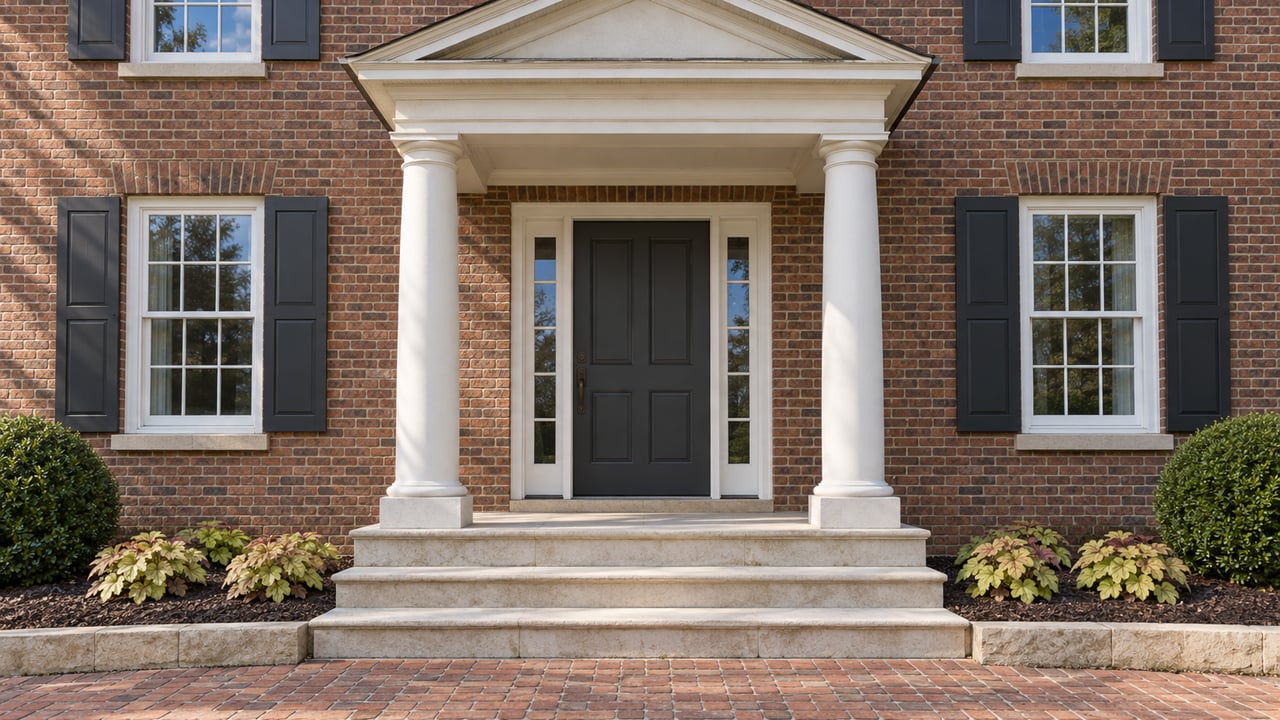
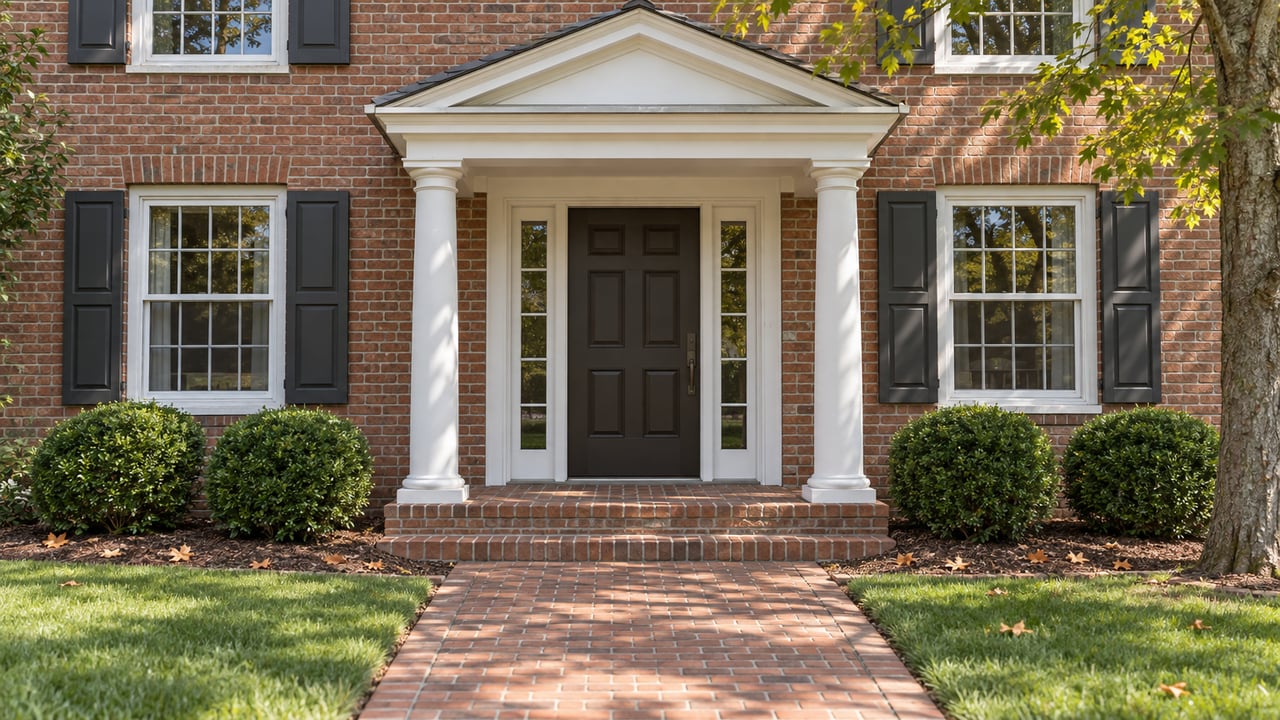
Many buyers will come across homes with a classic estate feel. These properties often feature brick or stone exteriors, formal symmetry, and influences from Colonial, Georgian, French, or Tudor design. Recent market examples support that mix, including a renovated Georgian Colonial in Town and Country.
If you like timeless curb appeal, these homes often deliver it through formal entries, detailed masonry, and balanced front elevations. In Town and Country, that traditional look remains an important part of the luxury market.
Custom Ranch Homes
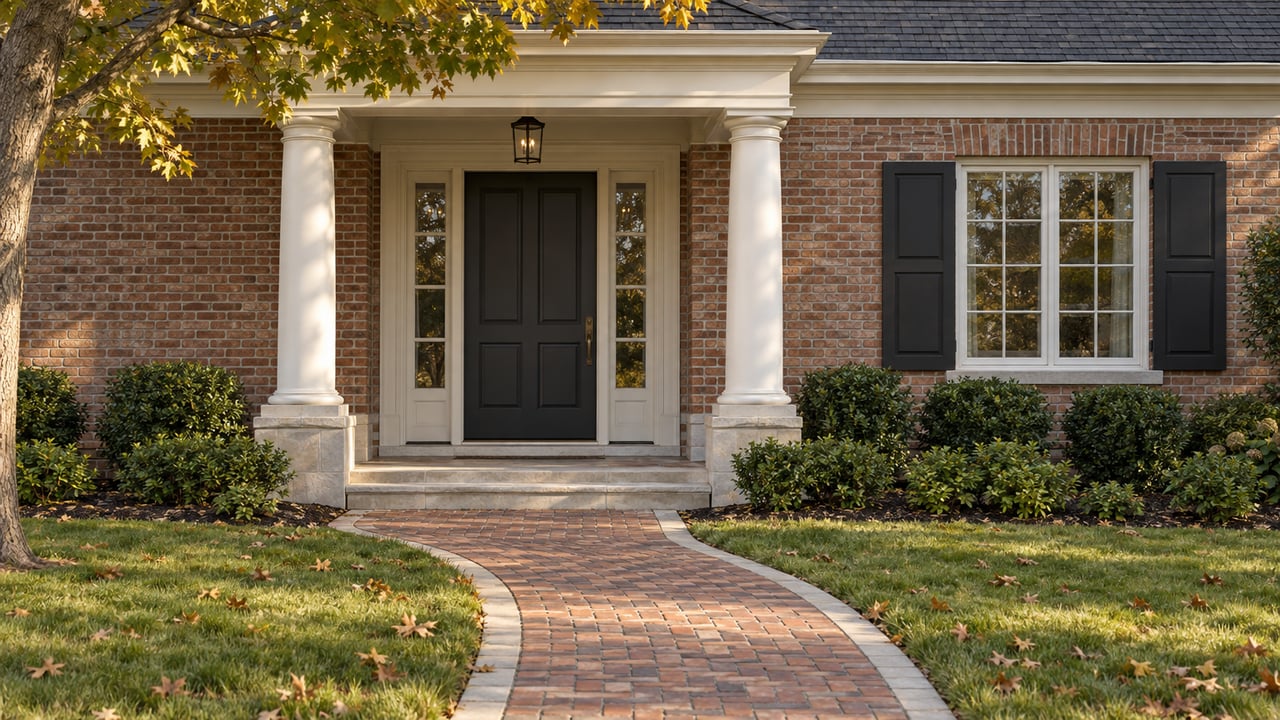
Single-level luxury also has a place in Town and Country. A custom ranch can appeal to buyers who want wider layouts, fewer stairs, and easier indoor-outdoor flow.
This style can be especially useful if you want long-term flexibility in how you live in the home. Market examples of luxury custom ranch construction show how this format can still feel upscale and highly customized.
Transitional And Modern Styles
Not every luxury home in Town and Country leans traditional. Newer builds also include modern farmhouse, modern prairie, and other transitional designs that combine cleaner lines with upscale materials and spacious lots.
A modern prairie-style home example in Town and Country shows how newer architecture can still fit the city’s low-density, high-end setting. In practice, many newer homes blend traditional massing with more current interiors and exterior details.
Why Design Review Matters
One reason Town and Country feels so consistently polished is the city’s review process. According to the city’s Architectural Review Board guidelines, all new residences and front-of-house additions must be reviewed before permits are issued, and applicants are expected to submit information on exterior materials.
For you as a buyer or seller, that helps explain why newer homes in Town and Country often feel intentional. The market tends to favor carefully designed custom homes rather than production-style construction.
Lot Types In Town and Country
In Town and Country, the lot is often just as important as the house. Local zoning emphasizes space, separation, and green area, which has a major effect on how homes look and feel.
Estate District Lots
In the Estate District, residential lots must have at least 80,000 square feet of area, a 175-foot minimum width, and 75% green space. The zoning code also limits maximum floor area to 13% of the lot. These standards are detailed in the city’s zoning code.
This means estate lots are designed to preserve openness. You are not just buying a large yard. You are often buying wider spacing, stronger visual privacy, and more room for landscaping and outdoor living features where allowed.
Suburban Estate Lots
In the Suburban Estate District, the minimum lot area is 43,560 square feet, which is one acre. These lots also require a 150-foot minimum width and the same 75% green space standard for new lots, according to the same zoning standards.
That helps answer a common question: yes, the one-acre lot still plays a major role in Town and Country. The city’s 2020 Comprehensive Plan also reinforces that one-acre lots remain the preferred residential pattern in most of the community.
Special Lot Shapes And Restrictions
Town and Country is also careful about lot configuration. Corner lots, double-frontage lots, and lots with more than half their perimeter on streets face higher minimum lot-area requirements. Flag lots are not permitted under the zoning code.
That may sound technical, but the practical result is simple. You are less likely to encounter awkward or hidden parcels that feel squeezed into the landscape.
What Large Lots Mean For Daily Living
A large lot in Town and Country usually delivers more than visual appeal. Based on the city’s standards for lot size, setbacks, green space, and accessory structures, these sites often create deeper setbacks, more distance from neighbors, and more flexibility for outdoor features where approved.
That can matter if you value a long driveway, mature landscaping, pool potential, or additional outdoor entertaining space. In a luxury market like Town and Country, privacy and site design are often a meaningful part of the home’s value.
Accessory Structures And Privacy Features
Accessory structures are allowed in Town and Country, but they are closely regulated. The zoning code says they must be compatible with the main house in both architectural harmony and quality, screened by evergreen landscaping, and generally may not exceed the footprint of the primary structure.
The code also allows gated residential driveways in limited circumstances. Together, those rules show how Town and Country balances privacy-focused estate living with design consistency. You can review those requirements in the city’s residential zoning regulations.
Lower-Maintenance Luxury Options
Not every luxury buyer wants a full acre to maintain. Town and Country’s comprehensive plan specifically notes interest in a lower-maintenance luxury “garden villa” concept for buyers who want less lawn care, more travel flexibility, or shared common ground.
The preferred villa concept described by the city includes landscaped buffers, front- or side-entry garages, natural materials, high-pitched roofs, and larger green spaces. If you want luxury without as much exterior upkeep, that part of the comprehensive plan is worth watching.
What Different Budgets Tend To Buy
Luxury in Town and Country is often defined by the combination of lot, privacy, architecture, and finish level. Here is a practical way to think about the market based on current examples from the research.
| Price Range | What You May See |
|---|---|
| Around $795,000 | Older or smaller detached homes on about an acre, sometimes with features like circular drives, oversized garages, or no-step entries |
| Around $1.5M to $1.65M | Renovated or well-kept traditional homes on roughly one acre, often with established landscaping and strong curb appeal |
| Around $2.3M | Custom homes with more architectural detail, larger footprints, and lots around 1.6 acres |
| $3M and up | Large-lot custom builds with higher square footage, larger garages, and optional amenities like pools or sports courts |
At the entry point of the market, current listings still include detached homes under $800,000, such as a private one-acre home with a circular driveway and oversized side-entry garage. Around the mid-luxury range, the market includes homes like the Georgian Colonial at $1,499,900 on 1.23 acres.
As budgets move higher, buyers tend to gain both lot quality and architectural presence. A custom home around $2.3M on 1.6 acres is a good example of where size and design package start to rise together. At the top end, a build-to-suit example on 2 acres at roughly $3M and up illustrates the kind of modern farmhouse-style custom product that can appear in this market.
What Buyers Should Focus On
If you are shopping in Town and Country, it helps to look beyond the usual headline numbers. A four-bedroom home on one lot can offer a very different experience from a similarly sized home on another, depending on the width, privacy, setbacks, and architectural design.
As you compare homes, focus on:
- Lot dimensions and usable outdoor space
- Architectural style and long-term appeal
- How the house sits on the lot
- Privacy from the street and neighboring homes
- Potential for outdoor amenities, subject to review and code
- The balance between maintenance needs and lifestyle goals
What Sellers Should Highlight
If you are selling in Town and Country, your home’s value may be tied to more than its interior updates. Buyers in this market often respond strongly to the relationship between the home and the land.
That means details like lot width, mature landscaping, driveway approach, architectural consistency, and outdoor living potential can all support stronger positioning. A thoughtful marketing strategy should present the house as both a residence and a complete property experience.
When you want guidance on how to position a luxury home in Town and Country, The Lottmann Group offers boutique, high-touch service backed by strong local market knowledge and elevated marketing support. If you are buying, selling, or planning a move, a market consultation can help you understand how style, lot type, and price point come together in this unique area.
FAQs
What luxury home styles are common in Town and Country?
- Buyers will often find traditional estate homes with Colonial, Georgian, French, or Tudor influences, along with custom ranch homes and newer transitional styles like modern farmhouse and modern prairie.
Are one-acre lots still common in Town and Country?
- Yes. The city’s planning documents say one-acre lots remain the preferred residential pattern in most of Town and Country, and the Suburban Estate District requires a minimum lot size of 43,560 square feet.
What lot types are not allowed in Town and Country?
- Town and Country does not permit flag lots, and certain special lot types such as corner or double-frontage lots may face higher minimum lot-area requirements.
Can luxury homes in Town and Country have pools or outbuildings?
- Often yes, but those features are subject to zoning, review, setback, screening, and architectural compatibility requirements.
Are there lower-maintenance luxury options in Town and Country?
- Yes. The city’s comprehensive plan discusses luxury garden villas designed for reduced lawn care, shared common ground, and a more lock-and-leave lifestyle.
Why do lot size and green space matter in Town and Country?
- Larger lots and green-space requirements often create more privacy, deeper setbacks, stronger landscape presence, and a more estate-like setting, which are important value drivers in this market.