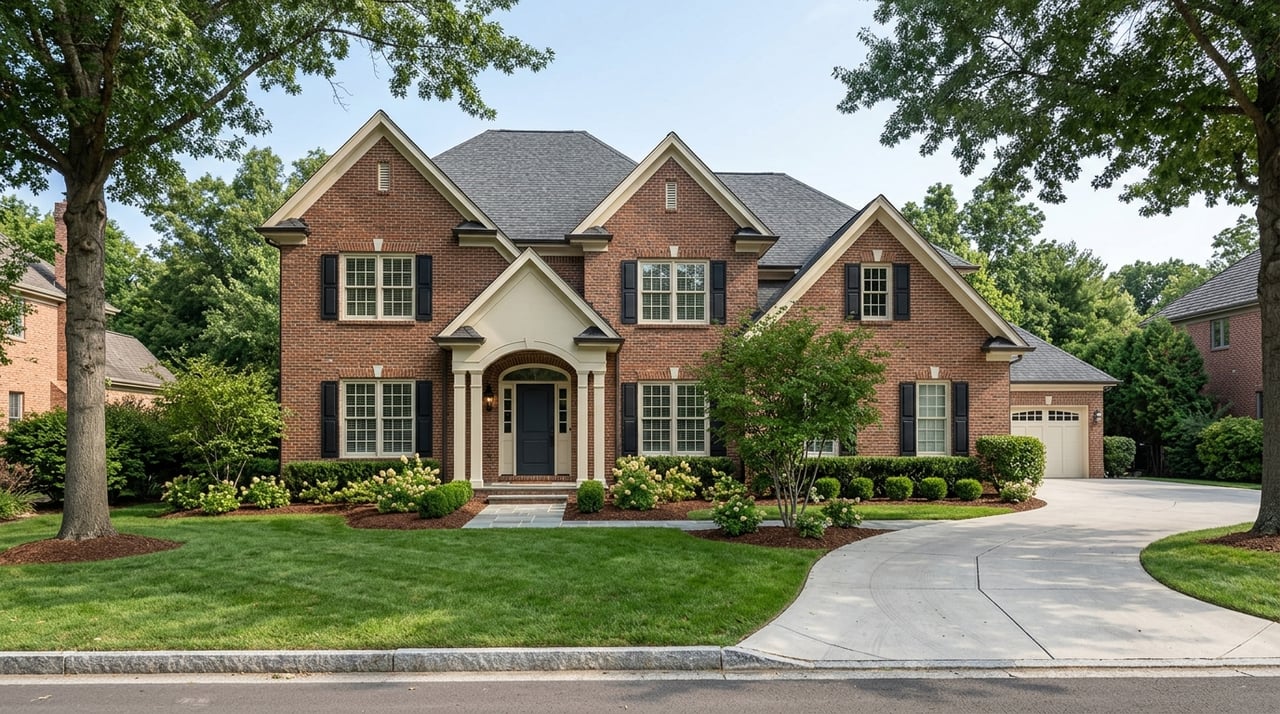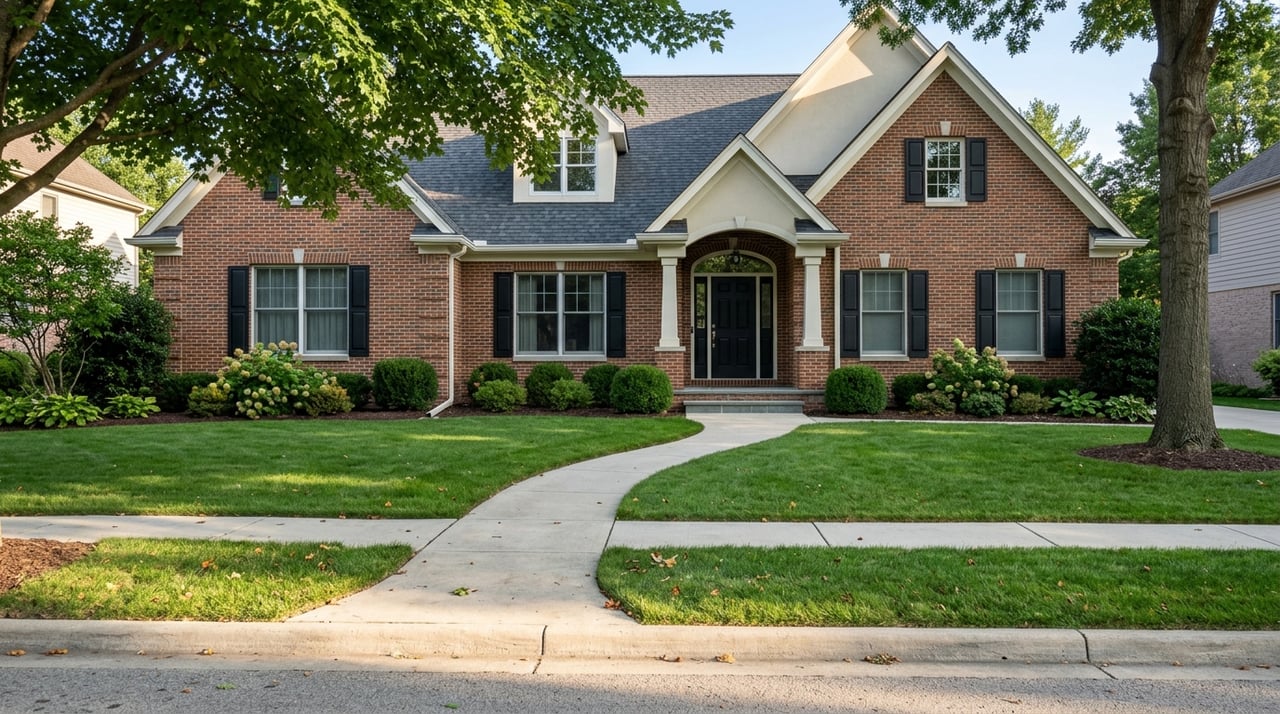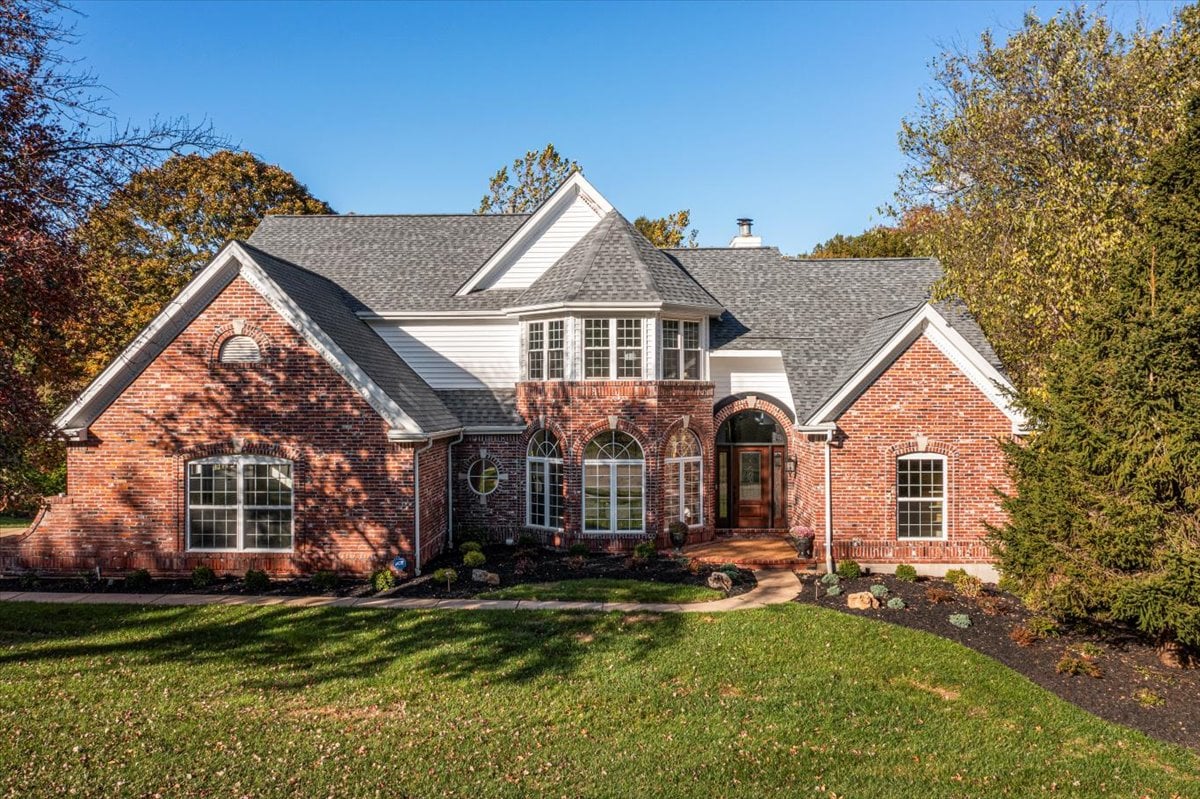
If you’re thinking about selling in Town and Country, one question can shape your entire strategy: should you remodel before listing, or sell the home as-is? That choice matters even more in a market where buyers move quickly and often notice condition right away. The good news is that you do not have to guess, because local market data can help you decide where preparation pays off and where it may not. Let’s dive in.
Why condition matters in Town and Country
Town and Country is a high-value, largely owner-occupied market. Census data shows an 86.5% owner-occupied housing rate, a median value of owner-occupied homes of $928,500, and a median household income of $232,534. In practical terms, that often means you are marketing to buyers who expect a home to feel well cared for from the moment they arrive.
The pace of the market also raises the stakes. Redfin reports a median sale price of $1,431,761 over the last three months, a median of 4 days on market in April 2026, and 45.9% of homes selling above list price. At the same time, 14.8% of homes had price drops, which suggests buyers can be selective when a listing does not make the right first impression.
Remodel or sell as-is: Start with the real goal
Before you decide what to fix, ask what matters most to you. Some sellers want to maximize price. Others want speed, less disruption, or more certainty about out-of-pocket costs.
That distinction is important because the best resale strategy is not always a full renovation. In many cases, the smartest move is a focused pre-list plan that improves how the home shows without overbuilding for resale.
When remodeling makes sense
A remodel can make sense when a part of the home is clearly holding back buyer interest. If a kitchen or bath looks so dated that buyers see it as a major project on day one, addressing it may help reduce objections and broaden appeal.
Still, the data suggests caution. According to the 2025 NAR Remodeling Impact Report, kitchen upgrades and bathroom renovations have seen growing buyer demand, but that does not automatically mean a full custom renovation is the best use of your money before listing. In many cases, buyers respond better to clean, neutral, visible improvements than to expensive, highly personalized finishes.
Focus on updates buyers notice fast
For resale, first impressions usually matter more than deep customization. The St. Louis Cost vs Value report shows especially strong recoupment for visible exterior projects, including:
- Steel entry door replacement at 177.8% of cost recouped
- Garage door replacement at 146.4%
- Manufactured stone veneer at 143.2%
- Fiber-cement siding at 101.9%
- Wood deck addition at 93.8%
- Midrange minor kitchen remodel at 85.4%
These are metro averages, not guarantees for any one Town and Country home. But they point to a clear trend: targeted, buyer-facing improvements often outperform major discretionary remodels.
Small changes can carry real weight
NAR reports that the seller-side recommendations agents make most often are decluttering, cleaning the entire home, and improving curb appeal. The same report also notes that painting the entire home, painting one interior room, and replacing or upgrading the roof are common pre-list recommendations.
That matters because these updates can change how buyers feel about the home without requiring a full remodel. In a fast-moving market, a cleaner, fresher, more neutral presentation can help buyers focus on the home itself instead of the work they think they will need to do.
When selling as-is can be the better choice
Selling as-is can be the right move when speed, convenience, or budget certainty matter more than squeezing out every possible dollar. If you do not want to manage contractors, fund repairs upfront, or live through pre-list projects, an as-is strategy may reduce stress and keep your timeline intact.
That said, there is a tradeoff. Redfin notes that as-is sales often appeal more to investors, flippers, or cash buyers, and they typically come with a smaller buyer pool and lower offers than a fully prepared listing.
As-is may fit if these sound like you
Selling as-is may make sense if:
- You want to move quickly
- You prefer not to spend cash before closing
- The home needs more work than you want to coordinate
- You value certainty and simplicity over top-end pricing
- You expect buyers to purchase mainly for lot, location, or long-term potential
For some Town and Country sellers, especially with larger homes or estate properties, this can still be a practical choice. The key is pricing and positioning the property honestly so the market understands the opportunity.
The middle path: prep strategically, not excessively
For many sellers, the best answer is neither a full remodel nor a true as-is sale. It is a selective plan built around the updates most likely to improve buyer response.
This approach often includes cosmetic work, presentation upgrades, and repair items that remove obvious objections. It gives you a better showing condition without turning the sale into a full renovation project.
Smart pre-list priorities
If you can only do a few things, the research supports starting here:
- Declutter the home
- Deep clean every room
- Improve curb appeal
- Paint tired or highly personalized rooms
- Address visible exterior items like the front door or garage door
- Fix deferred maintenance that buyers will notice immediately
- Use staging to help rooms feel clear and functional
These steps align with what buyers respond to and what agents commonly recommend before listing. They also support a more polished launch in a market where homes can move fast.
How staging and presentation affect offers
Condition is not just about repairs. It is also about how buyers experience the home online and in person.
In NAR’s 2025 staging study, 29% of agents said staging increased the dollar value offered by 1% to 10%, 49% said staging reduced time on market, and 83% of buyers’ agents said staging made it easier for buyers to picture the home as their future residence. For a Town and Country seller, that means presentation can influence both speed and perceived value.
A polished listing package matters too. Professional staging, photography, and targeted marketing can help buyers see the home’s strengths clearly, especially when you are competing in a premium price bracket.
Where Compass Concierge can help
Sometimes the biggest obstacle is not deciding what to do. It is figuring out how to pay for it before the sale.
Compass Concierge is designed for that gap. According to Compass, the program fronts approved home-improvement services with zero due until closing. Covered work can include staging, flooring, painting, landscaping, cosmetic renovations, interior and exterior painting, HVAC, roofing repair, moving and storage, and kitchen and bath improvements, among many other services.
Compass also states that payment is due when the home sells, the listing agreement ends, or 12 months pass, and that fees or interest may apply depending on state terms. For sellers who want to improve presentation without a large upfront cash outlay, this can make practical pre-list work more accessible.
A simple decision framework for Town and Country sellers
If you are deciding between remodeling and selling as-is, it helps to use a simple filter.
Choose targeted updates if:
- Your home is fundamentally in good condition
- The main issues are cosmetic or first-impression related
- You want to reach the widest buyer pool
- You want to improve sale price potential
- You can complete focused work without overcomplicating your move
Choose as-is if:
- The home needs broad or expensive work
- You want a faster, simpler sale process
- You do not want to invest time or cash before listing
- You are comfortable with the likelihood of lower offers
- The property’s value is tied strongly to land, location, or redevelopment potential
Be careful with full remodels if:
- You are choosing highly personal finishes
- You are upgrading far beyond what buyers expect to see back in resale value
- The work will delay your move significantly
- The likely return is less clear than the cost and disruption
The bottom line
In Town and Country, buyers often respond strongly to presentation, upkeep, and visible condition. That does not mean you need to take on a major renovation before you sell. More often, the strongest strategy is a measured one: improve what buyers notice first, remove the biggest objections, and avoid overinvesting in custom work that may not come back at closing.
The right plan depends on your home, your timing, and your financial comfort level. With the right guidance, you can decide whether to sell as-is, make selective updates, or use a program like Compass Concierge to bridge the gap.
If you’re weighing your options in Town and Country, The Lottmann Group can help you build a smart, data-informed plan around your goals, timeline, and property.
FAQs
Should I remodel my kitchen before selling a home in Town and Country?
- Usually only if the kitchen is a major obstacle to buyer interest. In many cases, smaller cosmetic improvements and neutral updates align better with resale data than a full custom remodel.
Is selling a Town and Country home as-is a bad idea?
- Not necessarily. Selling as-is can make sense if you want speed, simplicity, or budget certainty, but you should expect a narrower buyer pool and the possibility of lower offers.
What pre-listing updates matter most for resale in Town and Country?
- Decluttering, deep cleaning, curb appeal, paint, and visible exterior improvements often have the strongest impact on buyer perception.
Does staging help when selling a higher-priced home in Town and Country?
- Yes. NAR’s 2025 staging study found that staging can help buyers picture the home more easily, reduce time on market, and in some cases increase the dollar value offered.
Can Compass Concierge help with pre-sale improvements in Town and Country?
- Yes. Compass says Concierge can front approved services such as staging, painting, flooring, landscaping, and certain repairs, with payment due later based on program terms.