Selling a home is more than simply putting a sign in the yard and waiting for offers. In today’s market, buyers are highly informed, highly selective, and quick to move on from homes that feel overpriced, poorly prepared, or improperly marketed.
Many sellers unintentionally leave money on the table before their home even officially hits the market. The good news is that most of these mistakes are preventable with the right preparation and strategy.
1. Overpricing the Home From the Start
One of the biggest misconceptions sellers have is that pricing high “leaves room for negotiation.” In reality, overpriced homes often generate less activity, sit longer on the market, and eventually become stigmatized.
Today’s buyers have instant access to comparable sales, price history, and competing inventory. Even emotionally driven buyers tend to recognize when a home feels disconnected from market reality.
The strongest offers usually come when a home feels appropriately positioned from day one.
2. Waiting Too Long to Prepare the Home
Many sellers underestimate how much coordination goes into preparing a home properly.
Small details make a major difference:
• Paint touchups
• Decluttering
• Landscaping
• Deep cleaning
• Lighting updates
• Staging consultations
• Photography scheduling
The homes that feel effortless online and during showings are usually the result of careful preparation behind the scenes.
3. Ignoring First Impressions
Buyers form opinions within seconds.
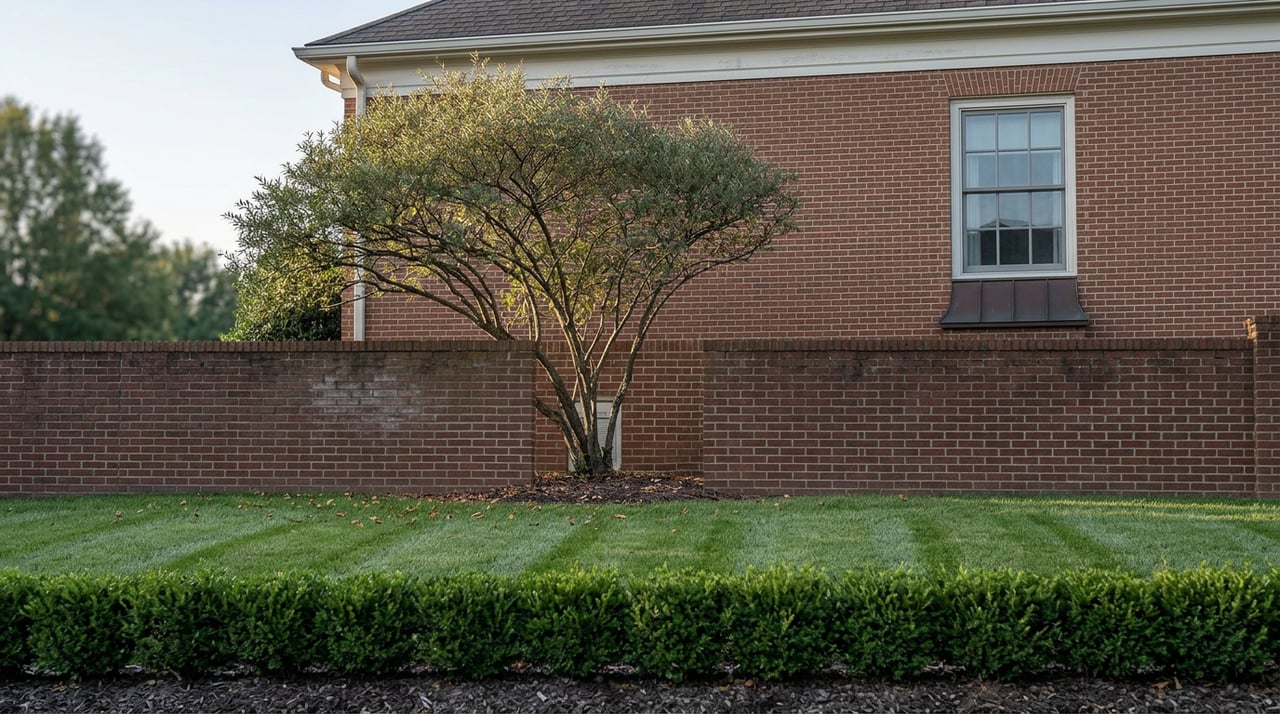
Before they notice square footage or finishes, they notice how the home feels emotionally when they first arrive online or in person. Overgrown landscaping, dark rooms, worn paint, or poor exterior presentation can immediately shift perception.
Strong curb appeal and bright, clean presentation consistently create stronger buyer reactions and better showing feedback.
4. Choosing the Wrong Marketing Strategy
Not every home should hit the market the exact same way.
Some properties benefit from a Private Exclusive or pre-market strategy to quietly test pricing and generate early interest. Others benefit from maximum exposure immediately.
Professional photography, timing, presentation, and launch strategy all matter significantly more than many sellers realize. The first week on the market is often the most important window of buyer attention.
5. Completing the Wrong Renovations
Sellers often spend money in areas that do not meaningfully impact buyer perception or value.
In many cases, buyers care more about:
• Fresh paint
• Updated lighting
• Clean landscaping
• Flooring condition
• Kitchen presentation
• Overall maintenance
than highly customized or expensive renovations that may not match buyer preferences.
Strategic updates usually outperform over-improving.
6. Neglecting Lighting and Paint
Lighting and paint are two of the highest-return improvements a seller can make before listing.
Dark rooms instantly feel smaller and less inviting. Fresh neutral paint and improved lighting help homes photograph better, show brighter, and feel more move-in ready to buyers.
These relatively simple updates can dramatically improve how buyers emotionally respond to a property.
7. Hiring an Agent Based Only on Commission
The difference between agents is rarely just the commission percentage.
Pricing strategy, negotiation ability, marketing execution, presentation guidance, communication, and local market expertise can have a massive impact on the final outcome.
The right agent helps sellers avoid costly mistakes, position the property correctly, and maximize leverage during negotiations. In many cases, strong representation more than offsets any perceived savings from choosing the cheapest option.
Final Thoughts
The homes that sell fastest and strongest are rarely accidental. They are usually the result of thoughtful preparation, strong presentation, strategic pricing, and proper marketing execution.
Every property and situation is different. Before making major decisions about pricing, renovations, or timing, it is worth having a conversation with someone who understands both the numbers and what today’s buyers are actually responding to in the St. Louis market.