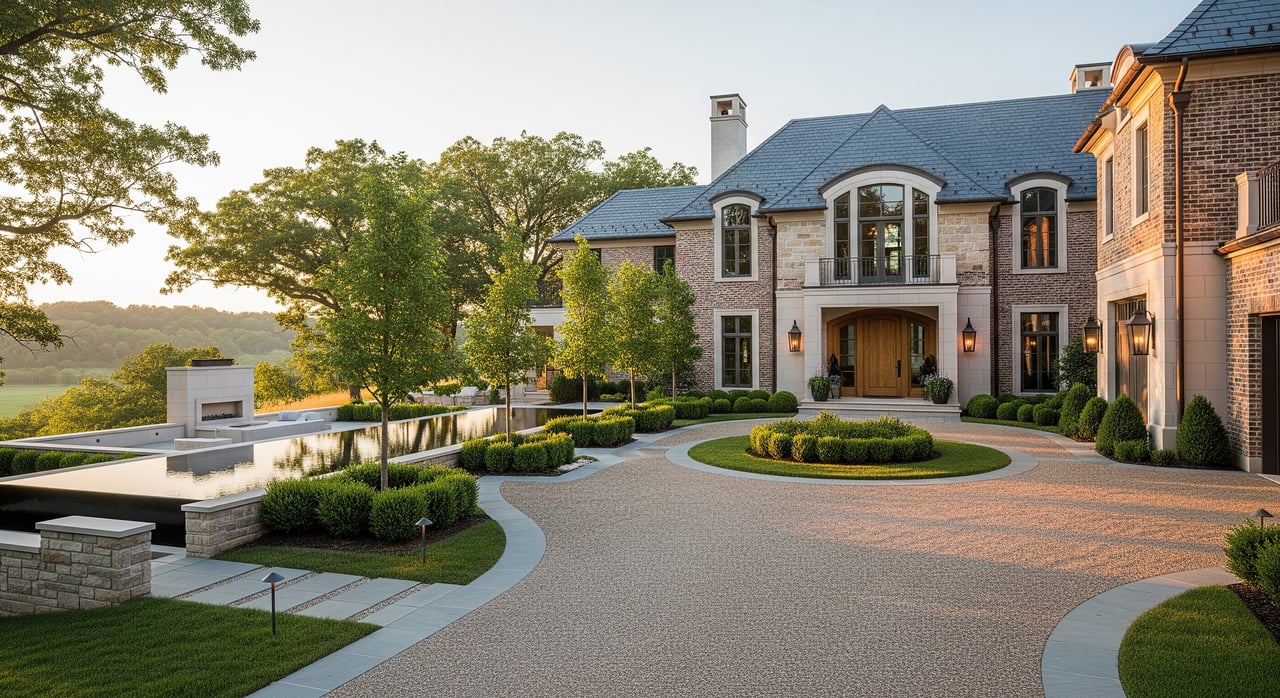
What if the key to your next move in Chesterfield isn’t just the house, but the timing, product type, and strategy you choose? If you’re buying or selling in the luxury tier, you already know this slice of the market behaves differently. In this guide, you’ll learn how Chesterfield’s luxury inventory works, where the strongest “pockets” are, and which tactics give you an edge. Let’s dive in.
What “luxury” means in Chesterfield
There isn’t a single price tag that defines luxury in Chesterfield. A practical way to size the market is to label the top 5 to 10 percent of recent closed sales as “luxury.” This percentile method adjusts as the market moves and makes it easier to compare Chesterfield with nearby suburbs.
You can also use an absolute dollar threshold that fits local conditions. In the St. Louis area, many brokers view $500,000 to $750,000 as upper‑midmarket and “luxury” at higher levels. Always confirm current cutoffs from recent MLS data, since thresholds shift as prices change.
Definitions matter because supply, days on market, marketing needs, and financing patterns look different at higher price points. The right framework helps you set expectations and make better decisions on pricing, timing, and negotiation.
Inventory patterns and timing
Luxury inventory in Chesterfield is thin and lumpy. With fewer listings at the top of the market, one new property can tilt local supply metrics. Expect more month‑to‑month volatility than you see in the broader market.
New construction competes with resale in specific ways. Newer subdivisions in and near Chesterfield Valley bring larger homes and semi‑custom builds, while established areas offer custom or semi‑custom estate homes on mature, private lots. A wave of spec homes can temporarily expand choices and influence pricing in that pocket.
Seasonality still matters. Spring is typically the busiest stretch, from March through June. Late fall and winter bring fewer new listings. If you list off‑season, plan for longer marketing periods and lean on strong presentation to stand out. If you buy off‑season, you may face less competition but a smaller selection.
Pricing and negotiation follow different rhythms than entry‑level segments. Some sellers test aspirational prices, which can lead to price reductions and longer days on market if buyers do not respond. Well‑priced, unique properties still draw strong interest. Multiple offers are less common than at lower price points but do happen for standout homes. Appraisals can be sensitive if comps are sparse, and a higher share of purchases may involve cash or jumbo financing.
Chesterfield luxury pockets and products
Chesterfield’s luxury market is best understood by product type and geography rather than a long list of subdivision names. Here are the main pockets and what drives value in each.
Chesterfield Valley and newer subdivisions
- Product: Newer builds, spec homes, and larger contemporary plans. Open layouts, modern finishes, and three‑car garages are common.
- Buyer appeal: Newer systems and lower near‑term maintenance with convenient access to retail and amenities.
- Price drivers: Square footage, finishes, builder reputation, lot position, and proximity to commercial nodes.
Bluff areas and established wooded lots
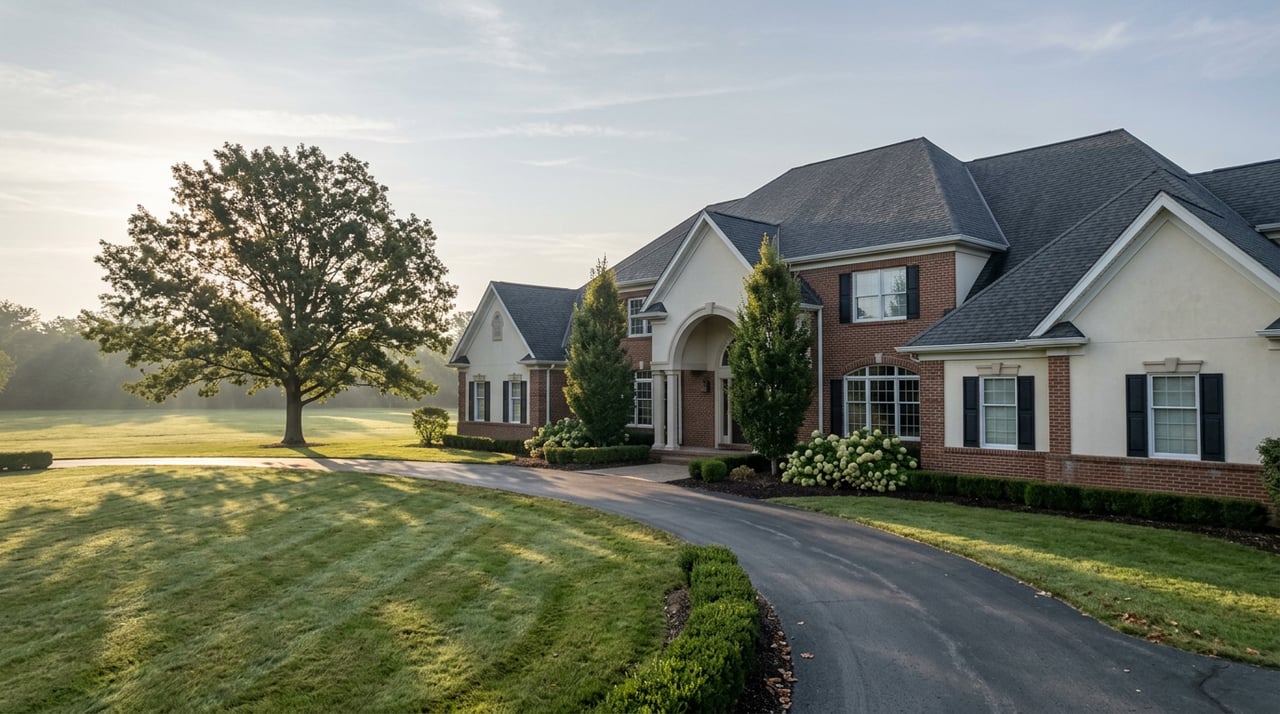
- Product: Custom or semi‑custom homes on mature, private lots. Some locations offer elevated views.
- Buyer appeal: Privacy, architectural variety, and larger lots.
- Price drivers: Lot size and privacy, original construction quality, and scope of updates to kitchens, baths, and mechanicals.
Estate enclaves and larger‑lot pockets
- Product: True estate homes with lifestyle amenities like pools, guest suites, finished lower levels, and hobby or equestrian‑style lots in select cases.
- Buyer appeal: Space and amenities within a practical commute radius.
- Price drivers: Acreage, outdoor features, outbuildings, home systems, and finish quality.
High‑end townhouse and condo options
- Product: Limited but attractive for lock‑and‑leave living.
- Buyer appeal: Lower exterior maintenance near retail, medical, and entertainment.
- Price drivers: Building amenities, security, and garage access.
Features that command premiums across Chesterfield luxury:
- Lot quality, privacy, grading, and views
- Finished lower levels and high ceilings
- Updated kitchens and primary baths
- Outdoor living spaces, pools, and professional landscaping
- Proximity to schools and major commuting corridors
- Quality of finishes, custom millwork, and smart‑home systems
Buyer playbook in a thin market
When inventory is tight, clarity and readiness help you move first and best.
- Define your target set. Decide must‑haves versus nice‑to‑haves, such as lot size, architectural style, and area preferences. You will act faster when the right match hits the market.
- Get financing aligned. Seek a pre‑approval from a lender experienced with jumbo products. Ask about down payment, reserves, and appraisal requirements. Strong financing or cash terms strengthen your position.
- Plan for appraisal risk. Unique homes can push comps. Discuss contingency strategies with your agent and lender, including appraisal timelines, potential gap coverage, or escalation language if appropriate.
- Budget for thorough inspections. Older estate homes may hide deferred maintenance in roofs, HVAC, drainage, pools, or septic systems where present. Build time and resources into your due diligence.
- Write a clean, credible offer. In luxury, winning offers often blend a fair price with clean terms, a flexible closing date, and proven financing. Aggressive overbidding is less common than at lower price points.
- Work with a local luxury buyer’s agent. You want an advisor who interprets comps well, anticipates inspection issues, and negotiates confidently in a small‑sample market.
Seller playbook to lead the market
Your initial pricing and presentation will shape your outcome more than any other choices.
- Price to the market. The luxury buyer pool is smaller, so overpricing can lead to longer days on market and skeptical buyers after reductions. If speed matters, consider pricing at or slightly below strong comps to create momentum.
- Elevate your presentation. Professional staging, high‑end photography, floor plans, and drone visuals for larger lots help buyers understand value. Call out recent system upgrades, warranties, and lot advantages.
- Consider a pre‑listing inspection. A documented condition report can reduce uncertainty, tighten timelines, and support your pricing.
- Use the right channels. MLS coverage matters, but targeted luxury distribution can expand reach. Social advertising to high‑net‑worth audiences, broker open houses for regional luxury agents, and professional networks raise visibility. Print pieces and targeted mail can be effective for certain enclaves.
- Time your launch. Spring often brings more active luxury buyers. Off‑season can still work if you expect a longer runway and use standout marketing.
- Negotiate with foresight. Luxury deals can involve longer due diligence and complex contingencies. Stay flexible on closing and inspection resolutions to keep qualified buyers engaged.
If you want white‑glove execution, The Lottmann Group pairs boutique, owner‑led service with Compass tools like Concierge and a three‑phase marketing approach. That means elevated staging support, polished media, and broad national distribution that present your property at its best.
How to read the numbers that matter
Track market signals using MLS pulls for Chesterfield filtered to the top 5 to 10 percent of sales. Compare the past 12 months to the prior year to see direction, not just snapshots.
Key metrics to watch:
- Active luxury inventory and new listings per month
- Closed sales and absorption by month or quarter
- Months of supply for the luxury band versus overall
- Median days on market and list‑to‑sale ratio
- Frequency and size of price reductions
- Cash share and jumbo‑loan prevalence where tracked
- New construction share based on permits and builder listings
Use the percentile approach when you compare Chesterfield with nearby suburbs. It normalizes differences in median prices and gives you a cleaner read on how competitive each area feels at the top of the market.
Ready to align timing, pricing, and strategy with your goals? Reach out to The Lottmann Group to discuss your plan and the latest MLS signals for your specific property or wish list.
FAQs
How should I price a unique Chesterfield estate?
- Anchor pricing to a defensible comparable set, give extra weight to lot quality, and consider a pre‑listing inspection and targeted luxury marketing. Avoid open‑ended aspirational pricing unless you are comfortable with longer days on market.
Do I need a jumbo loan to buy in Chesterfield’s luxury tier?
- Not always. It depends on your price point and current conforming loan limits. Talk to a lender early to understand product options and down payment requirements.
Are multiple offers common on Chesterfield luxury homes?
- Less common than entry‑level segments, but they do occur for well‑priced or scarce properties. Present financially credible offers that fit the seller’s timing.
What upgrades add the most value to a Chesterfield luxury home?
- Lot quality and privacy, system upgrades like roof and HVAC, updated kitchens and primary baths, and professionally designed outdoor living spaces tend to draw the strongest buyer response.