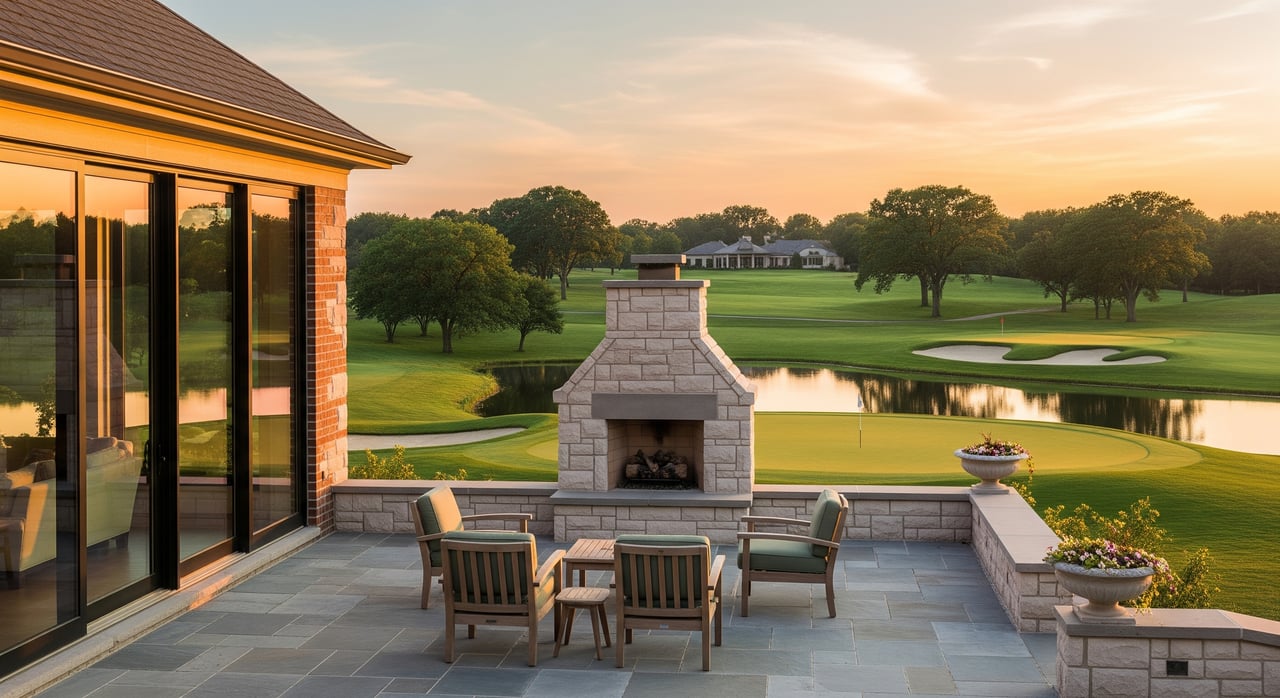
Thinking about buying a home on or near a fairway in Ballwin? The views and open space can be hard to beat, but there are trade-offs you should know before you commit. You want a home that fits your lifestyle and protects your investment, and a golf-course lot can do both when you go in with eyes wide open. In this guide, you’ll learn the real pros and cons in Ballwin, what to check during due diligence, and how to position your purchase or sale for success. Let’s dive in.
Pros: Views, Space, Access
Scenic sightlines and green space. Many golf-course homes enjoy long views, mature trees, and wider sightlines than typical suburban lots. That outdoor setting is a major lifestyle draw.
Fewer close neighbors. With fairways or buffers behind the property, you often have more privacy and reduced housing density on one side.
Potential resale upside. Some buyers specifically seek golf-course living. In favorable market conditions, that niche demand can support stronger pricing or faster resale compared with similar homes off-course.
Convenient recreation and social options. If the nearby course is public or offers memberships, you may have easy access to play, practice facilities, dining, and events. Confirm any membership options or discounts for adjacent homeowners directly with course management.
Wildlife and mature landscaping. Courses in suburban Ballwin often support birds, deer, and ponds. If you value a natural setting, the landscape can be a daily benefit.
Cons: Noise, Risk, Restrictions
Early-morning maintenance. Mowers, aerators, and blowers often run in the early morning during the growing season. Tournament days can add traffic and noise.
Chemical use on turf. Courses apply herbicides, pesticides, and fertilizers at scheduled times. If you want context on typical products and safety, review the EPA’s guidance on turf and pesticide use and ask the course for its written policy and application schedule. You can start with the EPA’s pesticide resources for general background at the EPA pesticides hub.
Errant golf balls. Homes near fairways or ranges can experience property damage or safety concerns from stray shots. Look for nets, berms, or tree screening, and ask about any incident history and liability practices.
Events, traffic, and parking. Club events, tournaments, and weddings can create periodic traffic and overflow parking on nearby streets. Ask for the course’s event calendar and typical attendance ranges.
Easements and rules. Recorded easements for maintenance or irrigation, setback limits, and HOA or course covenants may restrict fences, pools, or landscaping. Review all recorded documents before you buy or plan improvements.
Market niche and liquidity. Golf-course adjacency appeals to many buyers and not to others. In some market cycles, that can narrow your buyer pool when it is time to sell.
Ballwin factors to weigh
City and county roles. Ballwin manages local ordinances, zoning, and permitting. St. Louis County handles property records and tax assessments. Check both for official records, permits, and any open items that affect the property.
School districts. Ballwin addresses may fall in the Rockwood School District or Parkway School District. Always verify the assigned schools for a specific address, since boundaries vary and can influence demand and resale patterns.
Climate and seasonal patterns. The St. Louis area has hot, humid summers and cold winters. Expect more frequent turf maintenance and activity during the growing season, with possible aeration and overseeding periods in spring and fall.
Flood and drainage. Some courses sit in lower-lying areas or near ponds that are part of local stormwater systems. Check your parcel on the FEMA Flood Map Service Center to confirm flood zone status and potential insurance requirements.
Wildlife considerations. Deer, geese, and other animals can affect landscaping and outdoor spaces near fairways and ponds. For practical, local guidance on habitat and mitigation, consult the Missouri Department of Conservation.
Due diligence checklist
Use this list to evaluate a specific Ballwin property and to prepare questions for sellers and course management.
Confirm course type and plans
- Is the nearby course public, private, or semi-private?
- Who owns or manages it, and are there any plans for renovations, ownership changes, or land sales?
- Ask about typical maintenance hours and the event calendar for the past few years.
Review recorded documents
- Pull plats, easements, deed restrictions, and any HOA or course covenants.
- Verify setbacks from fairways and any maintenance or irrigation access across the lot.
Check environmental and safety items
- Flood risk: Use FEMA maps to confirm whether the parcel lies in a Special Flood Hazard Area and whether flood insurance or elevation certificates may be needed. Start at the FEMA Flood Map Service Center.
- Turf chemicals: Request the course’s written chemical-use policy, buffer distances, and application schedule. For general context, see the EPA pesticides guidance and best-practice resources from the USGA Course Care.
- Wildlife: Ask neighbors about deer, geese, and other impacts. The Missouri Department of Conservation offers local advice on deterrents and habitat.
Evaluate noise, activity, and events
- Ask for typical start times for maintenance in peak season.
- Review the event and tournament calendar to understand frequency and traffic patterns.
Insurance and liability
- Confirm homeowner’s insurance implications, including coverage for ball strikes and any premium impact from water features or flood zones.
- Ask the course about its liability coverage for errant shots and whether adjacent owners are expected to carry specific coverage.
Inspect property condition and protection
- Look for signs of past ball damage to windows, siding, or fencing.
- Consider protective plantings or netting if permitted. Verify any restrictions before installing.
Compare value and liquidity
- Request a comparative market analysis for golf-adjacent homes versus nearby non-golf homes to understand any pricing premium and days on market.
- Review historic sales in the specific micro-neighborhood to gauge turnover and demand.
Clarify HOA, fees, and membership ties
- Determine if the home has mandatory HOA dues, assessments, or required club memberships.
- Confirm who maintains shared buffers, fences, or drainage structures.
Understand utilities, drainage, and infrastructure
- Identify any shared stormwater lines or basins between the course and adjacent lots.
- Confirm who handles ongoing maintenance and at what cost.
Talk to neighbors and local experts
- Speak with current neighbors about seasonal patterns, wildlife, and interactions with course management.
- Consult an experienced local agent for pricing, demand, and contract strategies unique to Ballwin’s golf-course homes.
Buying strategy in Ballwin
If you love the setting, anchor your offer on facts. Compare recent sales of golf-course homes with similar size and condition, then weigh any premium against the home’s exact position on the hole, screening, and flood zone status. Ask for written course policies and event calendars, and include time in your inspection window to review easements, insurance quotes, and HOA rules. If a fence or pool is part of your plan, confirm approvals in advance.
A clean, well-timed offer that acknowledges course-specific risks can help you negotiate repairs or credits for protective measures. Pay attention to liquidity. If the home is more exposed to errant shots or is close to an event venue, price accordingly.
Selling strategy in Ballwin
Selling on the fairway is about showcasing lifestyle and answering the tough questions up front. Gather documents buyers will request: recorded easements, HOA rules, any course correspondence on maintenance or chemical policies, recent utility and insurance bills, and a history of improvements or protective features. If you have incident-free ownership records or upgrades like impact-resistant glass, highlight them.
Presentation matters. Professional staging, photography, and targeted digital marketing help you reach the right buyer pool that values the setting and views. If you plan updates before listing, a consultative approach and curated improvements can maximize your return. The Lottmann Group’s boutique, owner-led representation pairs hands-on guidance with Compass-backed marketing tools like Concierge, three-phase launch strategy, and national distribution to meet today’s buyers where they are.
Next steps with a local expert
Buying near a golf course can be an excellent fit if you match the lifestyle with clear-eyed due diligence. If you are selling, positioning the property with transparent documentation and polished marketing can protect your days on market and net proceeds.
Have questions about a specific address, easements, or comps near a Ballwin fairway? Connect with a local, owner-led team that understands West County and the nuances of golf-course living. Schedule a market consultation with The Lottmann Group.
FAQs
Are homes near golf courses in Ballwin louder than typical neighborhoods?
- Course maintenance often starts early during the growing season, and tournaments can add periodic traffic, so you should ask for typical maintenance hours and recent event calendars.
What should I know about pesticides near a Ballwin golf course?
- Request the course’s chemical-use policy and application schedule, and review the EPA’s general guidance on turf chemicals at the EPA pesticides hub for context.
Will a golf-course lot appreciate faster than others in Ballwin?
- Not always; appreciation depends on local demand, course condition and permanence, assigned school boundaries, and broader market trends, so compare recent comps in the immediate micro-neighborhood.
Do I need special insurance if I live by a fairway in Ballwin?
- Talk with your insurer about coverage for ball strikes and flood risks, and verify your parcel’s status on the FEMA Flood Map Service Center.
What happens if the nearby golf course closes or changes ownership?
- Views and privacy could change and values may be affected, so review ownership records and ask about plans; there is no guarantee against redevelopment or land-use changes.