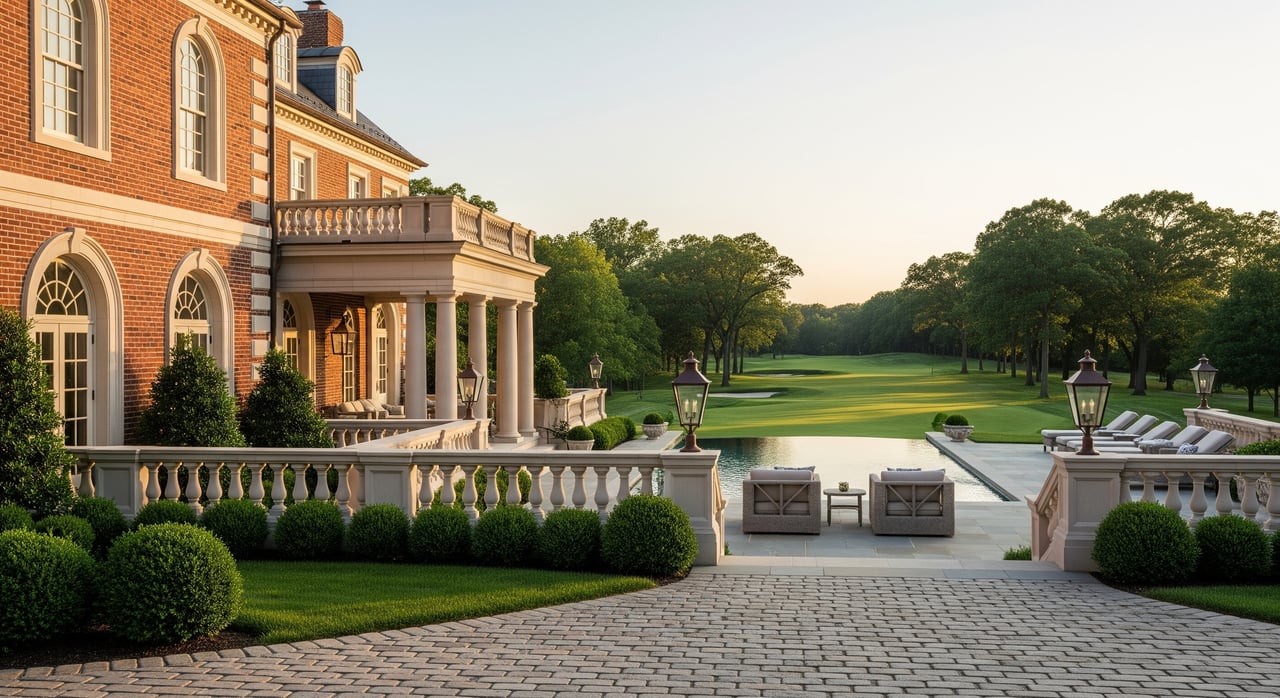
Imagine starting your day with a quiet fairway view, wrapping up with a family swim, and never feeling far from the conveniences you need. If you are considering a move that blends privacy, space, and an active social scene, country club living in Clarkson Valley might be on your shortlist. You want clarity on what that lifestyle really looks like, how it affects home choices and budgets, and what to watch for before you buy or sell. This guide breaks it all down so you can move forward with confidence. Let’s dive in.
Why Clarkson Valley fits club lifestyles
Clarkson Valley is an established, low‑density residential area in West St. Louis County, known for larger lots and single‑family homes. The setting appeals to buyers who value privacy, outdoor space, and a calm suburban feel. You are also close to retail and services in nearby communities like Chesterfield and Town and Country, which keeps daily errands simple.
For many residents, club membership complements the local lifestyle. Commute access to regional employers, room for outdoor entertaining at home, and proximity to private courses or racquet facilities are common priorities. School district boundaries and property taxes are also part of the decision, so plan to verify those details early in your search.
What country club living includes
Private clubs typically focus on a blend of recreation, wellness, and social programming. While each club is unique, most offer a mix of the following:
Golf amenities
You often find an 18‑hole or 9‑hole course, driving range, and practice areas. Many clubs offer lessons and league or tournament calendars. If golf is central to your routine, ask about course maintenance schedules and pace‑of‑play norms.
Racquets and courts
Tennis and pickleball are common, with clinics, private instruction, and organized leagues. Court availability and reservation systems can vary by season and demand.
Aquatics
Expect family pools, lap lanes, and sometimes swim teams or seasonal programs. If water time is a must, confirm pool hours, guest policies, and any age‑specific rules.
Fitness and wellness
Clubs often include a gym, group classes, and personal training options. Some offer spa or recovery services. Many families value early morning and evening class schedules.
Dining and social life
You can typically choose between casual and formal dining spaces. Clubs host member events, holiday gatherings, and private event rooms you can reserve for personal milestones. Review food and beverage minimums before you commit.
Family and youth programs
Junior golf or racquets, summer camps, and childcare offerings are common. If you want a full family experience, ask about seasonal programming and age ranges served.
Special‑interest groups
From bridge and volunteer committees to arts or culinary events, clubs often foster micro‑communities. This is where many members find their social rhythm.
Membership types and how they work
Membership structures can shape your day‑to‑day use and your budget. Most clubs use a tiered model.
Common membership categories
- Full or private membership grants the widest access to amenities.
- Social membership usually centers on dining and clubhouse use, sometimes with limited sports access.
- Junior or young‑executive options may offer reduced initiation or dues for certain age brackets.
- Non‑resident or corporate memberships can fit specific circumstances.
Fees and policies to review
Most clubs require an initiation fee and ongoing dues. You may see capital assessments or food and beverage minimums. Some clubs use waiting lists or seasonal caps, so ask about current timelines and guest rules.
Culture and expectations
Clubs set bylaws, dress codes, and reservation systems. Understanding the culture helps you decide if a club’s pace, programs, and social calendar fit your lifestyle.
On‑site vs. nearby club living
In some communities, homes sit inside a private, gated setting with integrated club access. In others, you live nearby and choose membership separately. Both can work well, but the tradeoffs differ.
Living inside a private community
- Potential benefits: security features, quick access to amenities, and possible course or common‑area views.
- Considerations: mandatory membership or fees may apply, which can affect your budget and future resale.
Living near a club
- Potential benefits: flexibility to join or not, a broader pool of future buyers, and convenience without required dues.
- Considerations: distance and access vary. Confirm commute times and parking or guest policies for the club.
Budgeting beyond the mortgage
A club lifestyle often adds expenses beyond principal, interest, taxes, and insurance. Plan for:
- HOA dues. Many Clarkson Valley subdivisions maintain common areas, roads, or security. Review what dues cover and how they are set.
- Club costs. Initiation fees, monthly or annual dues, assessments, and food minimums can be significant. Ask for current schedules in writing.
- Insurance and maintenance. Larger homes and luxury finishes can raise ownership costs. Build a realistic annual maintenance budget.
- Property taxes and local fees. St. Louis County taxes and any municipal assessments affect your total cost. Review recent bills for similar homes.
How proximity influences value and resale
Proximity to a private club can support pricing power, especially for homes with course views or easy access to amenities. The premium varies by the club’s reputation, condition, and market conditions. Your agent will use comparable sales that reflect amenity adjacency to price accurately.
If a community includes mandatory club fees, your buyer pool may be narrower. On the other hand, voluntary proximity to a desirable club often broadens appeal. The best approach relies on current, local sales data and a clear narrative about lifestyle benefits.
Buyer due diligence checklist
Before you write an offer, confirm details that shape daily life and long‑term value.
- Is club membership mandatory or optional for the subdivision?
- Request the club’s membership agreement, dues schedule, bylaws, and any waiting list or transfer rules.
- Ask for a 12‑month history of dues or assessments, plus any major capital projects planned.
- Tour amenities and note condition: course health, pool and locker rooms, clubhouse updates.
- Review HOA CC&Rs for design guidelines, outdoor structures, and leasing rules.
- Verify commute times, access to services and medical care, and proximity to schools.
Seller strategies for country club homes
Selling near a private club requires targeted preparation and marketing.
Document membership details
If a membership is transferable or included, gather the process steps and fees. Be transparent about obligations, timelines, and board approvals.
Market the full lifestyle
Highlight course or green‑space views, outdoor living areas, and walkability to the clubhouse when applicable. Professional staging, photography, and a strong digital rollout help buyers picture daily life.
Price with amenity adjacency in mind
Use comps that reflect course‑facing or amenity‑adjacent lots. Be clear about fee structures that could influence buyer decisions.
Leverage elevated listing services
White‑glove marketing, including concierge‑style repairs or updates, can polish presentation and improve ROI. A strategic, three‑phase marketing plan helps you reach qualified buyers across local and national channels.
Align club culture with your lifestyle
Every club has its own rhythm. Sit down with membership staff, attend a social event if possible, and ask about participation expectations. If you prefer a low‑key routine, look for flexible programs and reservation systems. If you want a busy social calendar for the whole family, review seasonal events, youth programs, and volunteer committees.
Financing and legal checkpoints
Buying or selling with a club connection adds a few extra steps.
Lender and appraisal
Lenders rely on appraisals that should reflect any HOA or club encumbrances. If dues or assessments are mandatory, disclose them early.
Title and transfer rules
If a membership is tied to the property, some clubs require board approval or transfer fees. Confirm assignability and timelines before you list or close.
Tax considerations
Personal club dues are generally not tax deductible. Consult a qualified professional for specific guidance on your situation.
Clarkson Valley quick considerations
- Lifestyle fit. Larger lots and low‑density zoning support outdoor living, pools, gardens, and privacy that many club members enjoy.
- Schools. School district boundaries guide many purchases. Review public sources for attendance areas and performance indicators.
- Access. Proximity to highways and nearby retail and services in surrounding communities supports daily convenience.
- Market data. Median sale prices, price per square foot, inventory, and days on market change over time. Rely on current MLS data for clarity.
How to get started
- Define your ideal club experience: golf first, racquets and pool, or a social membership.
- Set a full budget that includes HOA dues, potential club costs, and a home maintenance reserve.
- Tour clubs and speak with membership staff about programs, fees, and timelines.
- Preview homes that fit your lifestyle, lot preferences, and commute needs.
- Review HOA and club documents, then make a data‑driven offer or pricing plan.
When you want guidance from a team that knows Clarkson Valley and the luxury suburbs of West County, connect with The Lottmann Group. You will get owner‑led advice, sharp pricing and negotiation, and elevated marketing resources to help you buy with confidence or sell for strong results.
FAQs
What does “country club living” mean in Clarkson Valley?
- It typically refers to owning a home in a low‑density suburban setting with nearby private club access for golf, racquets, pools, fitness, dining, and social events.
Are club memberships included when I buy a home?
- It depends on the subdivision and the club; some communities require membership, while others are independent and optional. Confirm with listing documents and the club.
How much do initiation fees and dues cost?
- Costs vary widely by club and membership type. Ask the club for current initiation fees, monthly or annual dues, food minimums, and any assessments in writing.
Will mandatory club fees affect resale?
- Mandatory fees can narrow the buyer pool, though nearby high‑quality amenities often support demand. Use local comps to understand the actual market impact.
Are there alternatives if I do not want a private club?
- Yes. Many buyers consider municipal or semi‑private courses and local parks or recreation centers. Explore options that match your budget and activity level.
What should I review before making an offer on a club‑adjacent home?
- Verify whether membership is mandatory, review club and HOA documents, check fees and assessments, and confirm amenity condition, commute times, and school boundaries.